

September 18, 2026
Warhammer Tone Pro

Games Workshop has opened the Big Autumn Preview with something aimed squarely at the hobby bench rather than the battlefield.
Warhammer Tone Pro is a new 150-paint range built around 30 core colours, with each colour divided into five numbered tones from darkest to lightest. The goal is simple: make it easier to choose shadows, midtones, and highlights without having to mentally map half a dozen unrelated paint names together.
For painters who already understand colour theory, that may sound like a small convenience. For newer hobbyists, it could be a much bigger deal.
Five Tones Per Colour
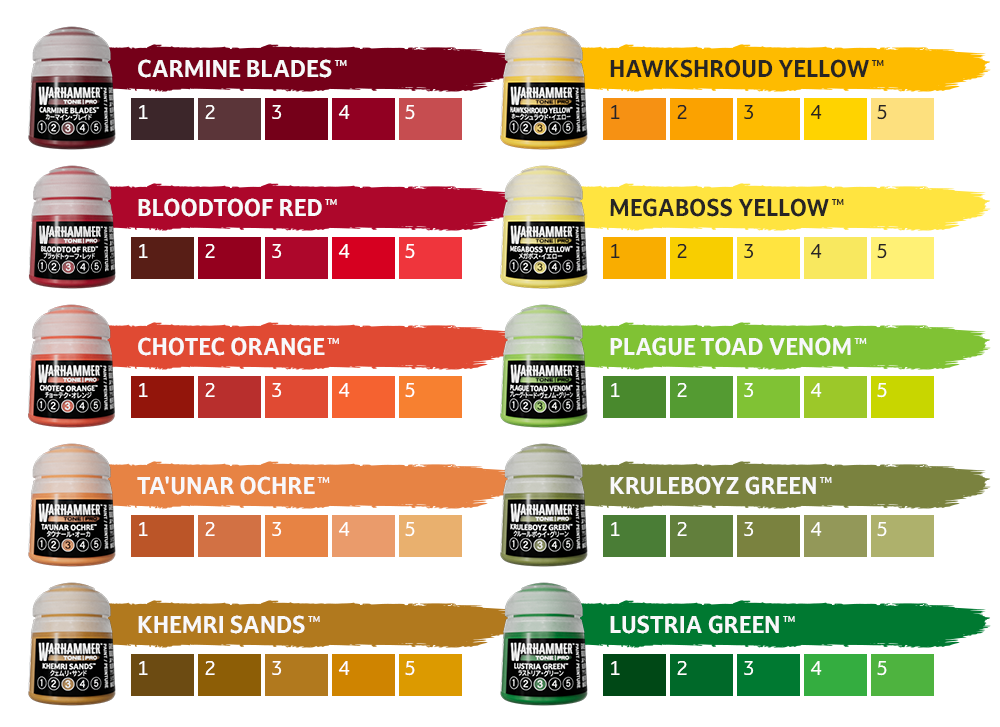
Each of the 30 colours is offered in five tones, with Tone 1 being the darkest and Tone 5 the lightest. Games Workshop is positioning the system as a straightforward way to build highlights and shadows within a single colour family.
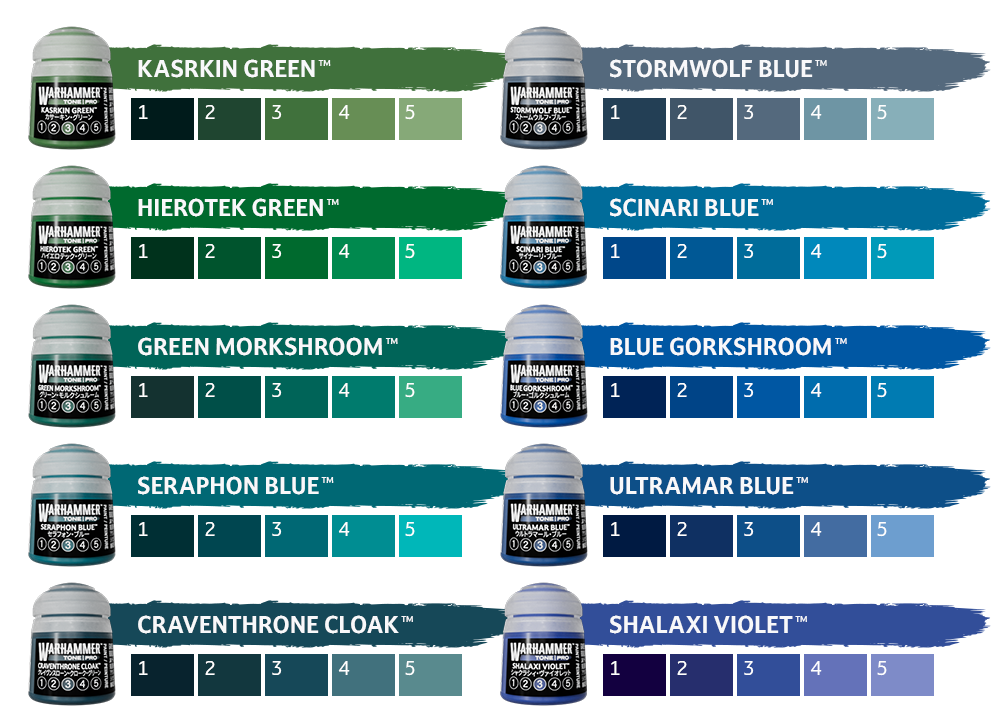
That means if you want to paint a red cloak, for example, you are not necessarily hunting through separate paint names trying to remember which one is supposed to be the shade and which one is the highlight. The relationship is built directly into the range.
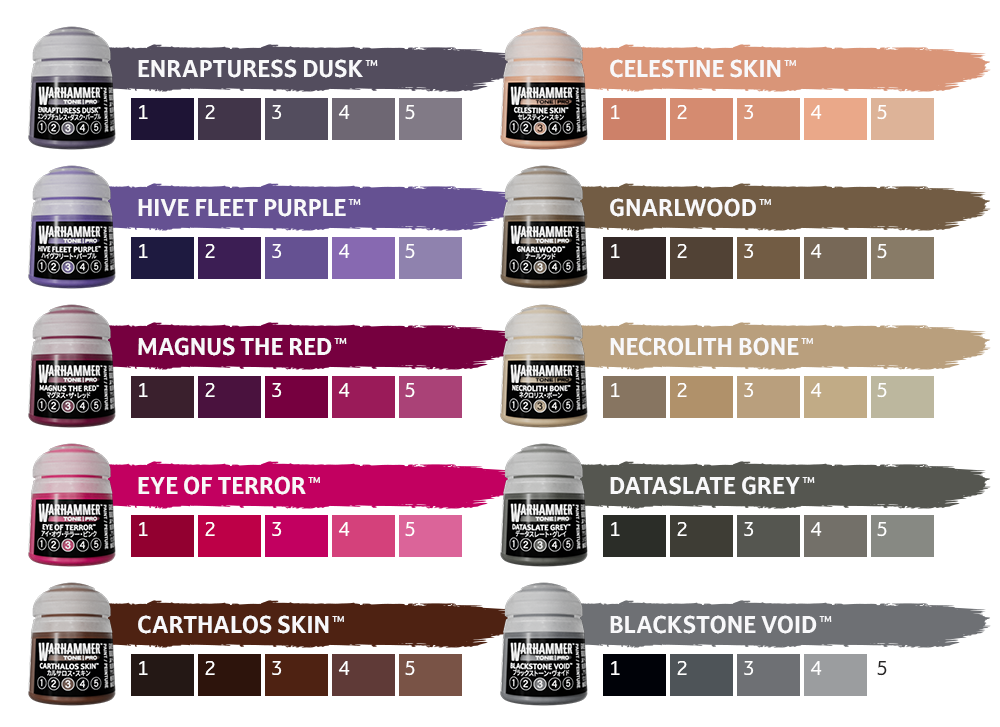
That kind of organization is probably the strongest idea behind Tone Pro.
It does not replace learning how colour works, but it removes some of the friction between understanding what you want to do and figuring out which pot on the shelf actually gets you there.
Games Workshop Is Promising Better Coverage
Coverage is another major part of the pitch.
GW says Tone Pro is designed to provide strong opacity from the first application, including traditionally difficult colours such as yellow and white.
That is a claim we would want to test before treating it as gospel.
Anyone who has painted miniatures for a while knows that yellow, white, and other light pigments can expose the weaknesses of a paint range very quickly. If Tone Pro genuinely delivers more reliable coverage while remaining smooth enough for layering and glazing, that would be one of the more meaningful improvements in the range.
Until people actually start painting with it, though, we are treating that as a manufacturer claim rather than a verdict.
One Paint Formula, Multiple Techniques
The more interesting technical change may be the formula itself.
Games Workshop says the paints are intended to work for basecoating, layering, highlighting, glazing, and drybrushing rather than being separated into different product categories for each technique.
Two additional mediums support that approach.
Shading Medium is designed to turn Tone Pro paints into shades or glazes, while Blending Medium extends drying time to give painters more working time for transitions and blending.
That points toward a more flexible paint system than the traditional Base, Layer, Shade structure.
For experienced painters, that is probably the most appealing part of the announcement. Instead of buying a paint because GW has assigned it one specific job, the idea is that the same colour can be pushed into several techniques depending on how it is thinned or mixed.
New Dry Brushes Are Coming Too
Tone Pro is launching alongside four new dry brushes in XS, S, M, and L sizes.
Games Workshop says the brushes are designed to work with the new paints while reducing the chalky texture that can sometimes come from drybrushing.
Again, that is something we will want to see in actual use.
Drybrushing has become considerably more sophisticated over the last few years, especially with painters using softer brushes and controlled moisture rather than the old “wipe everything off and scrub” method. A brush range built specifically around smoother drybrushing makes sense in that environment.
Our Take
The most important part of Tone Pro is not that Games Workshop has added another 150 paints.
It is that the company appears to be simplifying how its paint system communicates colour progression.
Thirty colours with five clearly related tones each is much easier to understand at a glance than memorizing dozens of unrelated names and trying to remember which ones were intended to work together.
The flexible formulation is also promising. If Tone Pro really can move comfortably between basecoating, layering, glazing, and drybrushing, that gives painters more freedom and makes individual pots more useful.
The big unknown is performance.
Coverage, finish, consistency, thinning behavior, and how well the colours actually transition into one another will matter more than the naming system once brushes touch models.
Games Workshop says Tone Pro will be available to try in Warhammer Stores and independent hobby stores beginning September 26.
For now, the system makes sense on paper.
We will be much more interested in how it behaves on a miniature.