

November 9, 2025
Warhammer Quest: Darkwater – A Rotting Revelation in the Mortal Realms

There’s something special about when Games Workshop manages to keep a secret in this day and age—and Warhammer Quest: Darkwater proves exactly why that restraint was worth it. While the Mortal Realms have seen plenty of adventures, none have felt quite this rich, this atmospheric, or this genuinely foul.
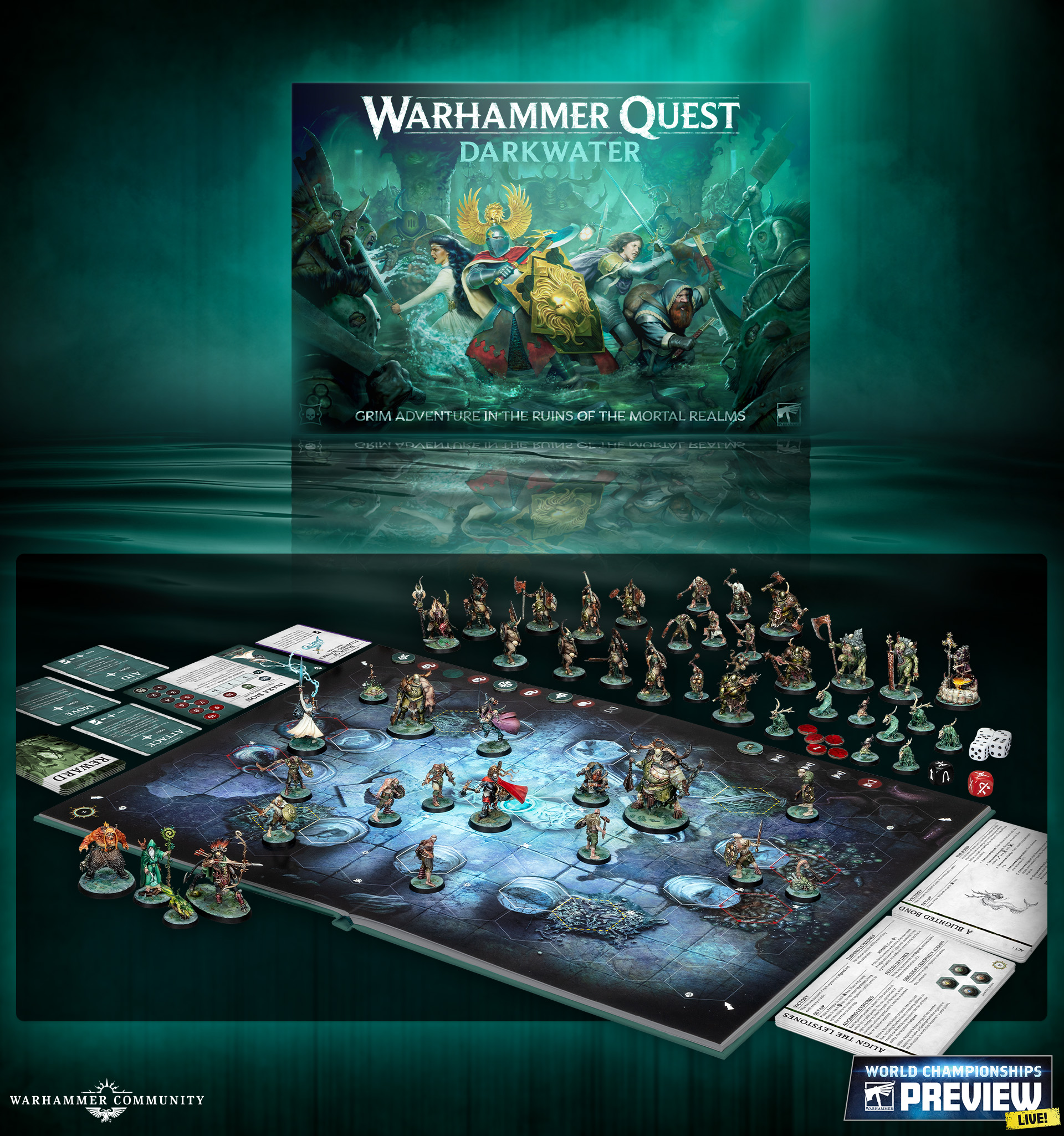
Set deep in the weeping heart of Ghyran, Darkwater pits a diverse band of heroes against the revolting legions of Nurgle, and for once, the Plague God has stolen the spotlight in a way that’s nothing short of spectacular.
The Heroes of the Everspring
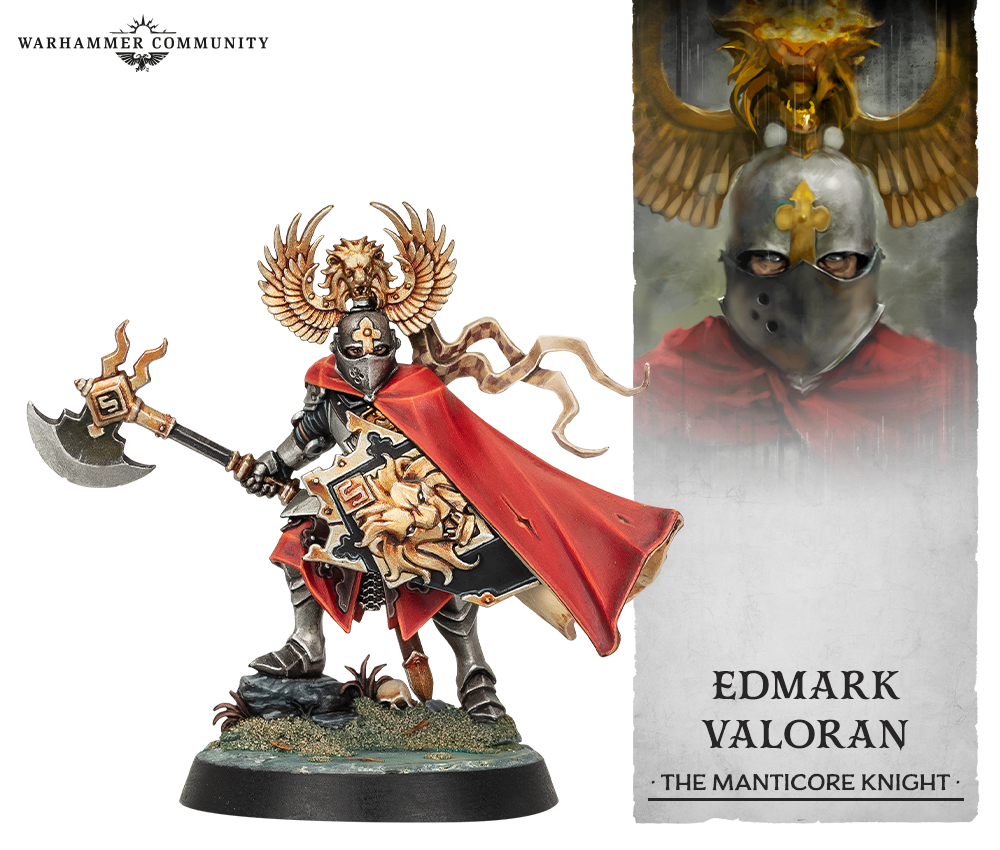
At the forefront stand Edmark Valoran, the proud Manticore Knight, whose armor gleams with the light of Aqsha even as rot creeps at its edges; Bren Tylis, 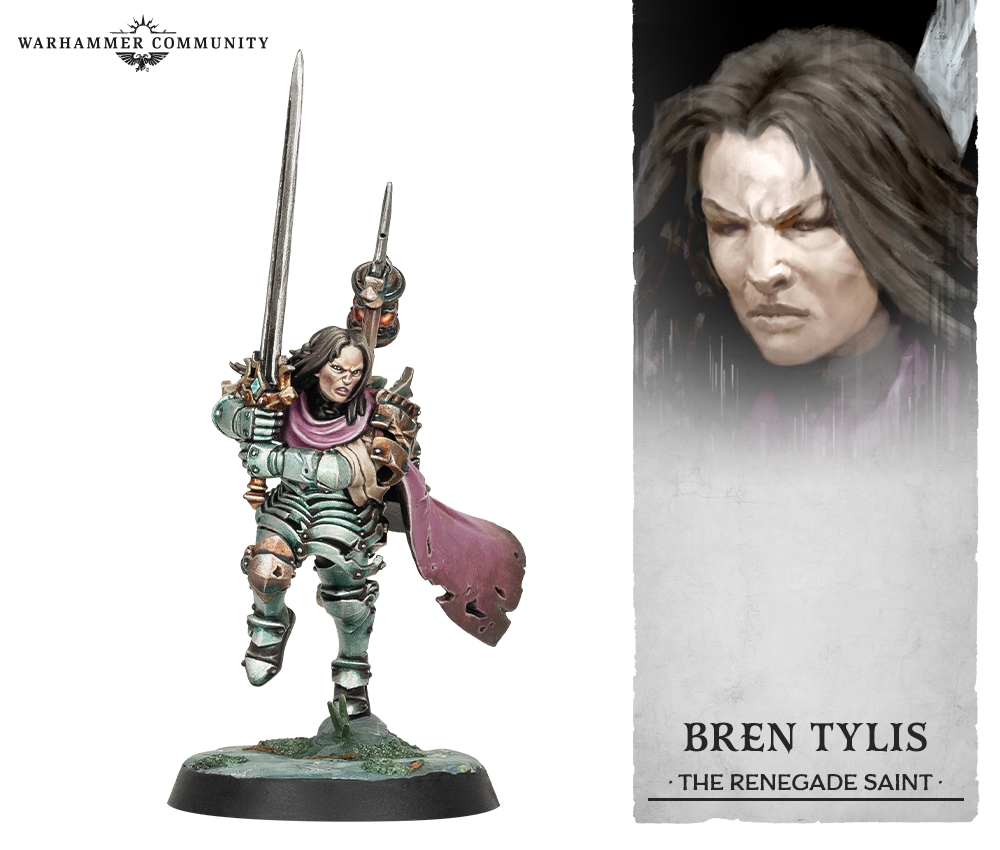
the Renegade Saint whose bloodline bears the scars of the Abbey’s fall; 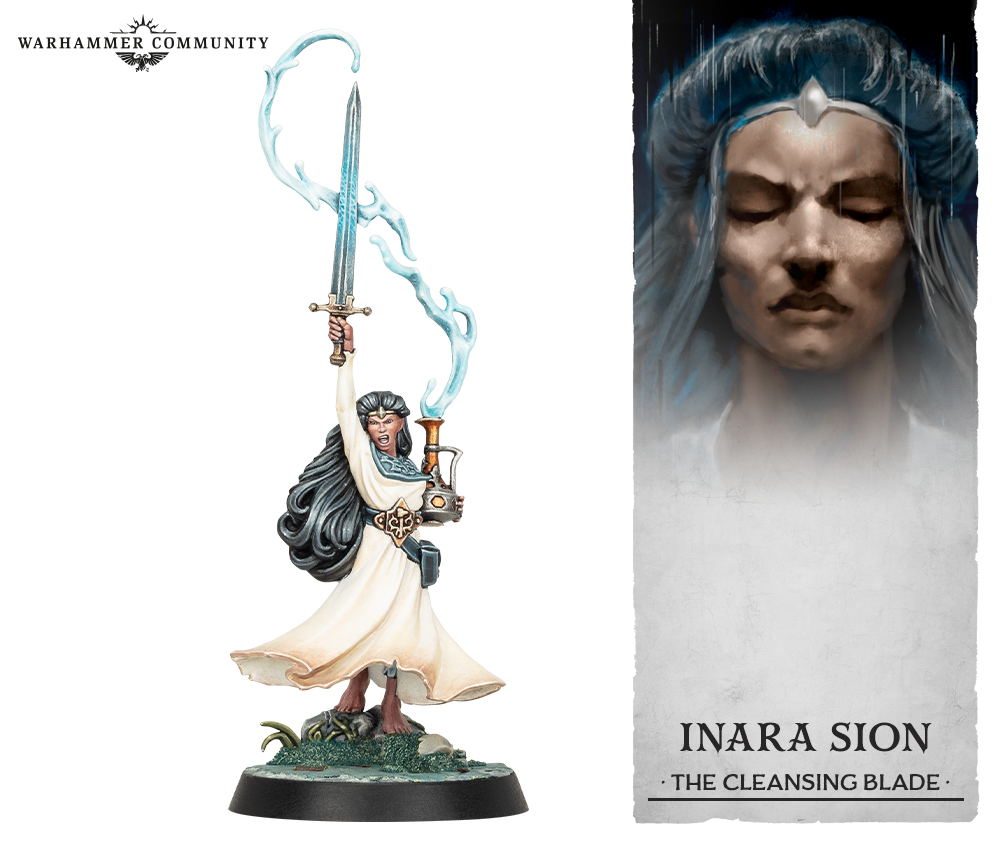
Inara Sion, the Cleansing Blade, whose sacred water can sear through corruption like acid; and Drolf Ironhead...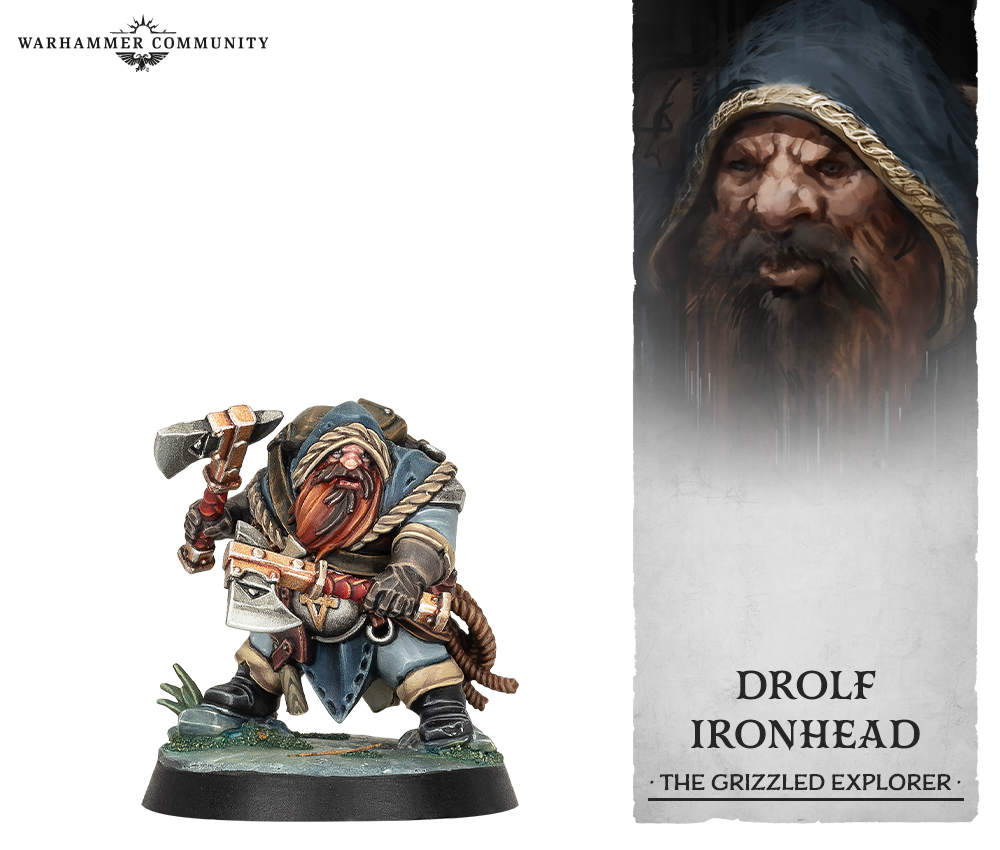
the grim survivor of a clan oath long unfulfilled.
They’re later joined by the elusive Prince Kelthannor, 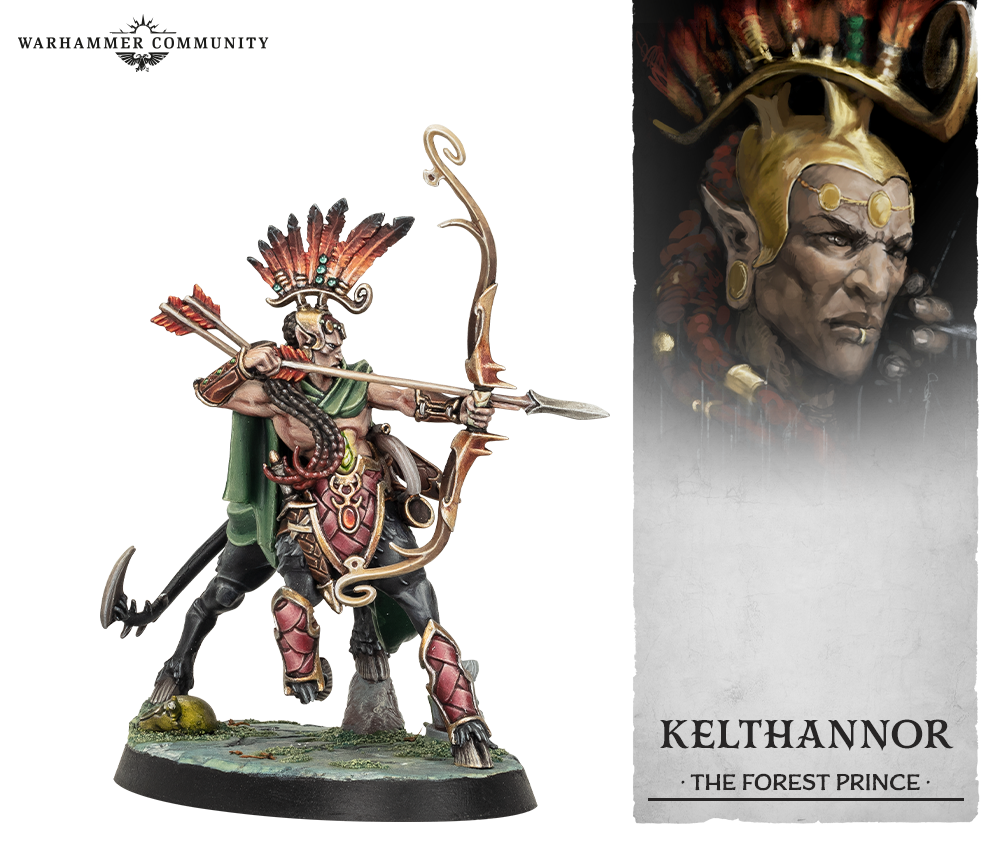
the shapeshifter Drasher Vorn, 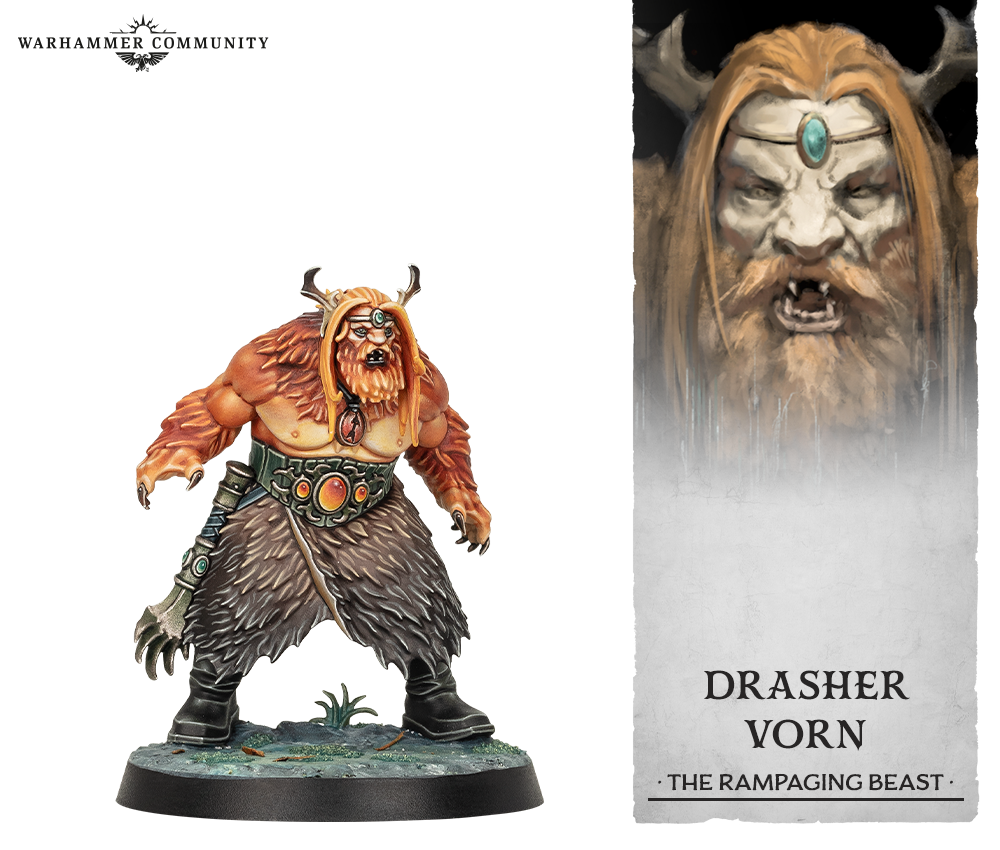
and the Jade Wizard Jacobus Vyne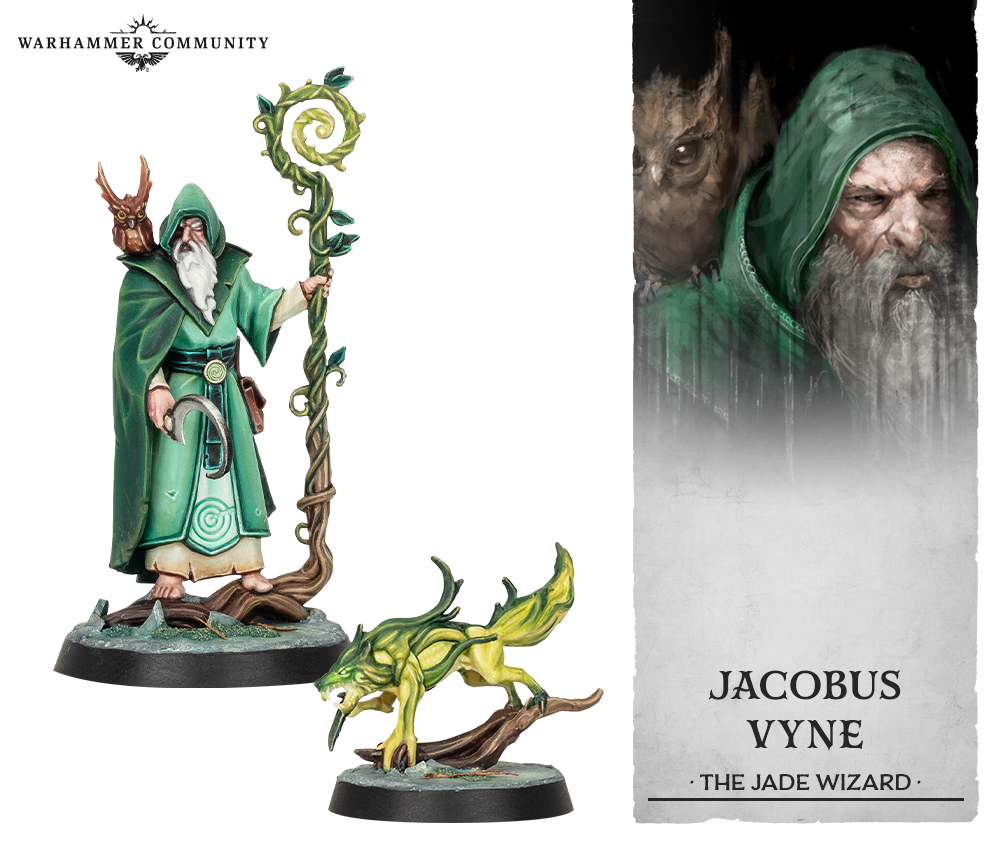 Each adding layers of mythic texture and playstyle variety. Together, they form one of the most thematically balanced hero rosters ever assembled in a Warhammer Quest box.
But make no mistake—while the heroes are captivating, the stars of Darkwater are their grotesque adversaries.
The Nurgle Miniatures: A Triumph of Corruption
Let’s not mince words: these are some of the best Nurgle sculpts ever produced. Period.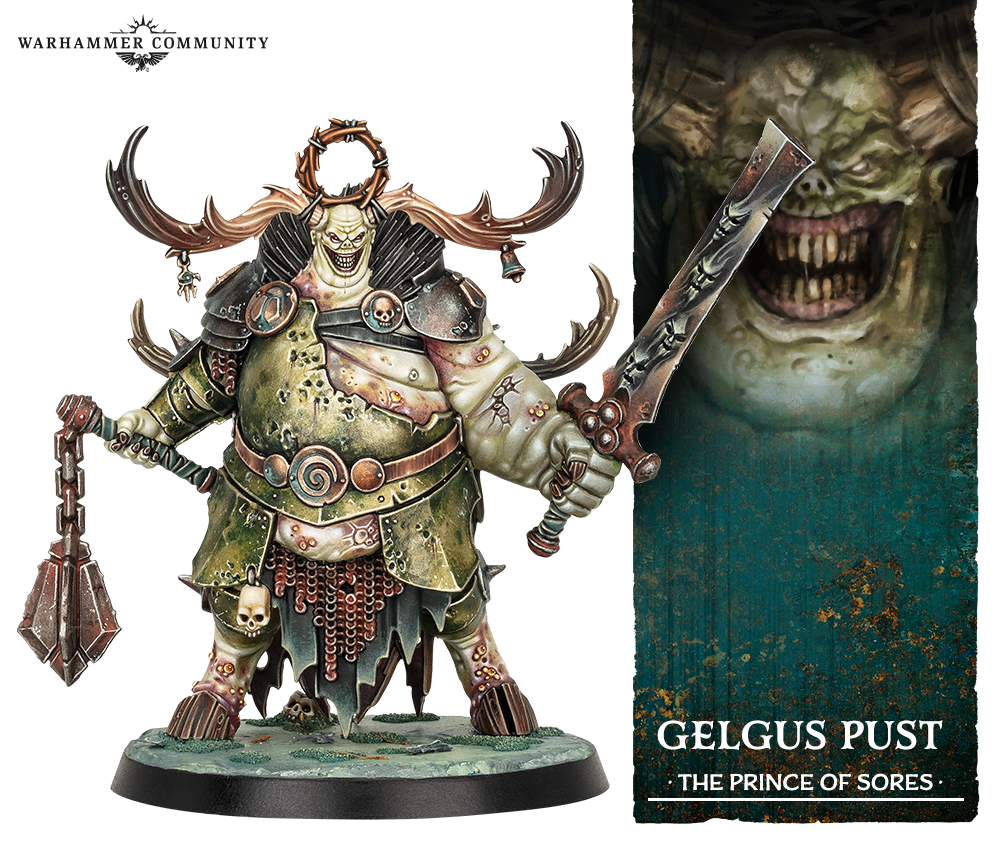
From the hulking Daemon Prince Gelgus Pust, the so-called Prince of Sores, to the vile priestess-turned-mutant...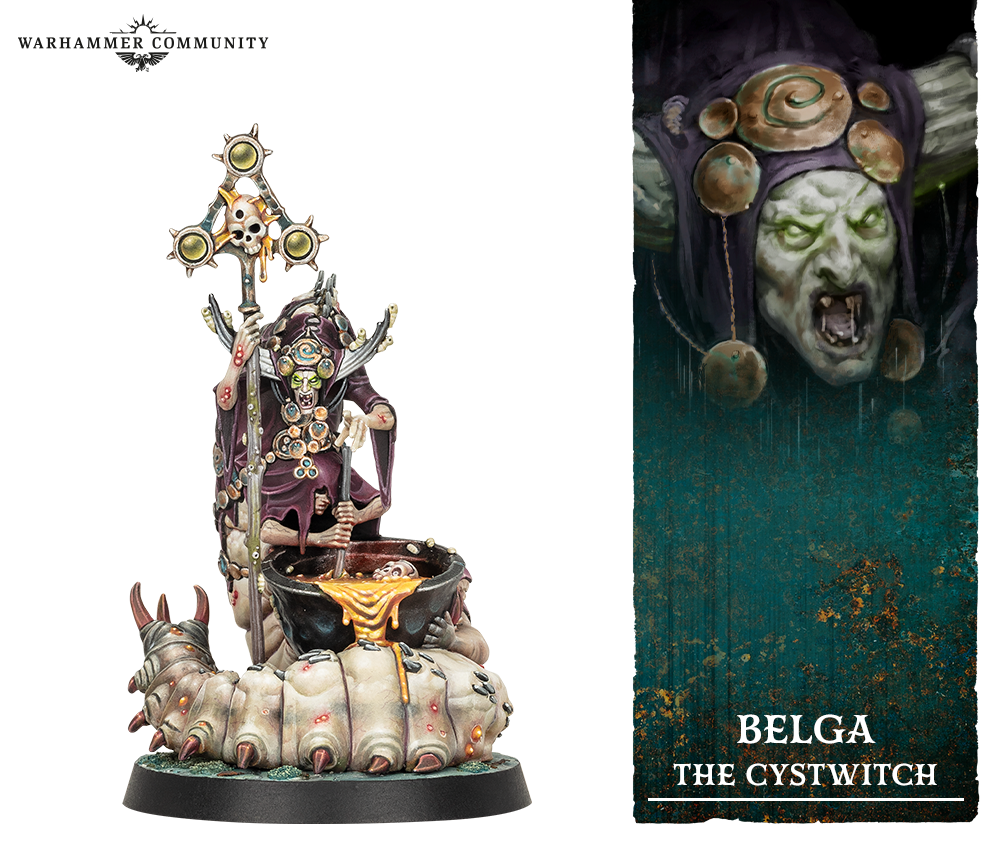
Belga the Cystwitch, every sculpt drips (literally and figuratively) with character. These aren’t just monsters; they’re walking narratives of decay—each pustule, sore, and lesion tells a story of slow, triumphant rot.
Mulgoth the Cleaver looks like he was carved from a plague pit, a brute whose weapons seem to be rotting away mid-swing. 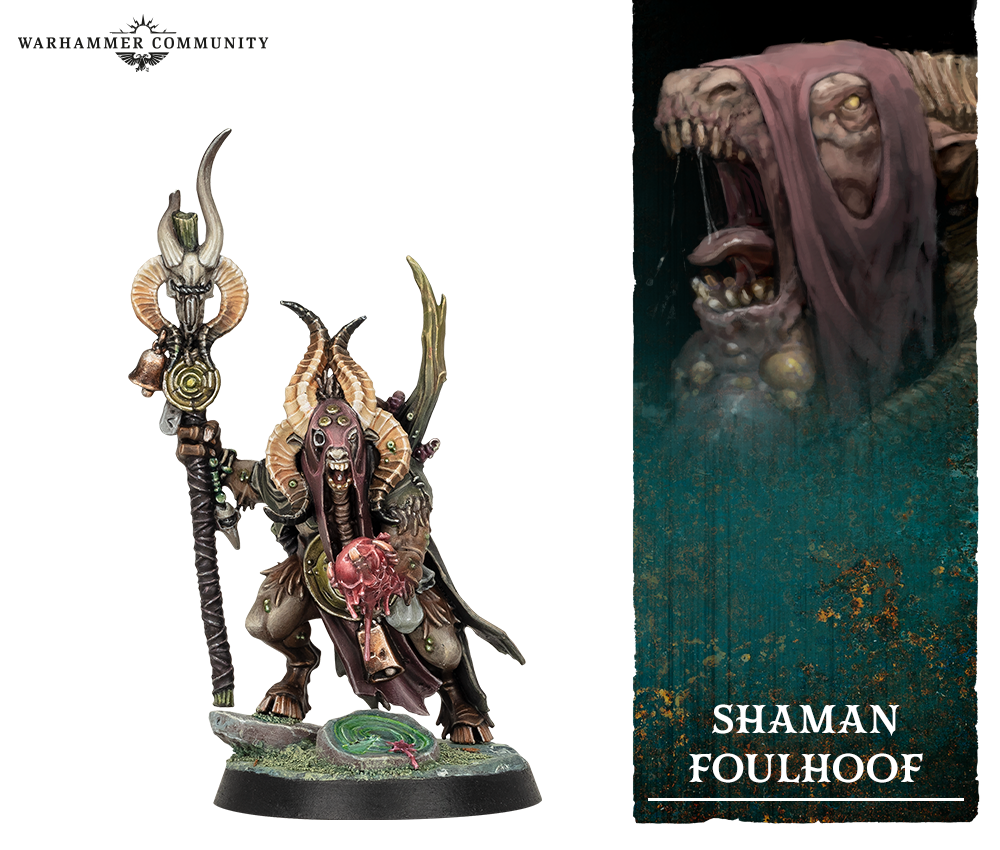
Shaman Foulhoof, the beastman warlock leading the Flyblown herd, embodies the primal corruption of Nurgle’s touch—wild, hateful, and reeking of blight.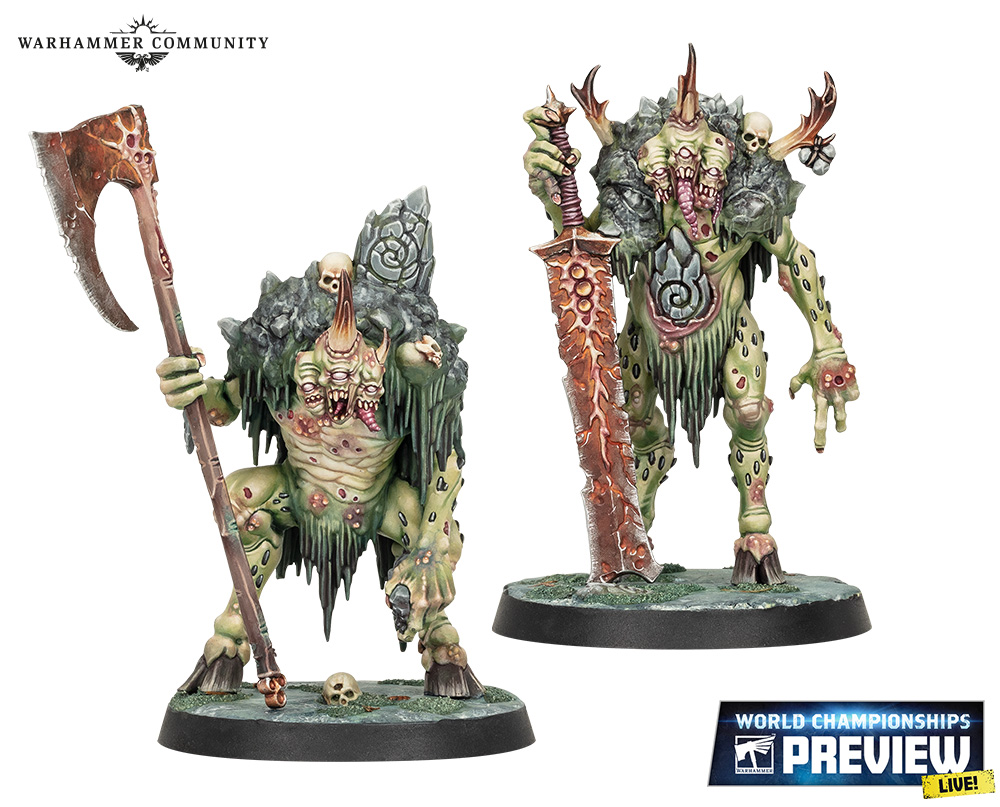
And then there are the Cankerborn, perhaps the biggest surprise of all—towering, daemonic entities birthed directly from the agony of the land itself. Their designs feel alien and ancient, pushing the boundaries of what Nurgle’s daemons can look like without losing that diseased charm.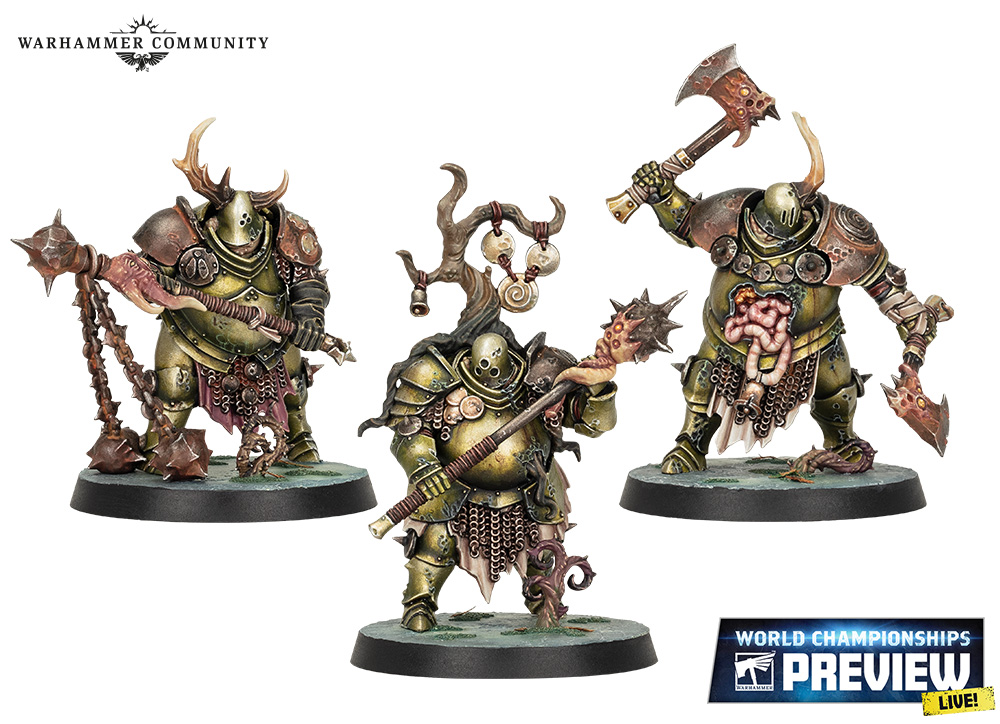
The Blight Templars are another standout—mortals so dedicated to the Plaguefather that they’ve become grotesque reflections of knightly devotion, dripping with ichor and madness. 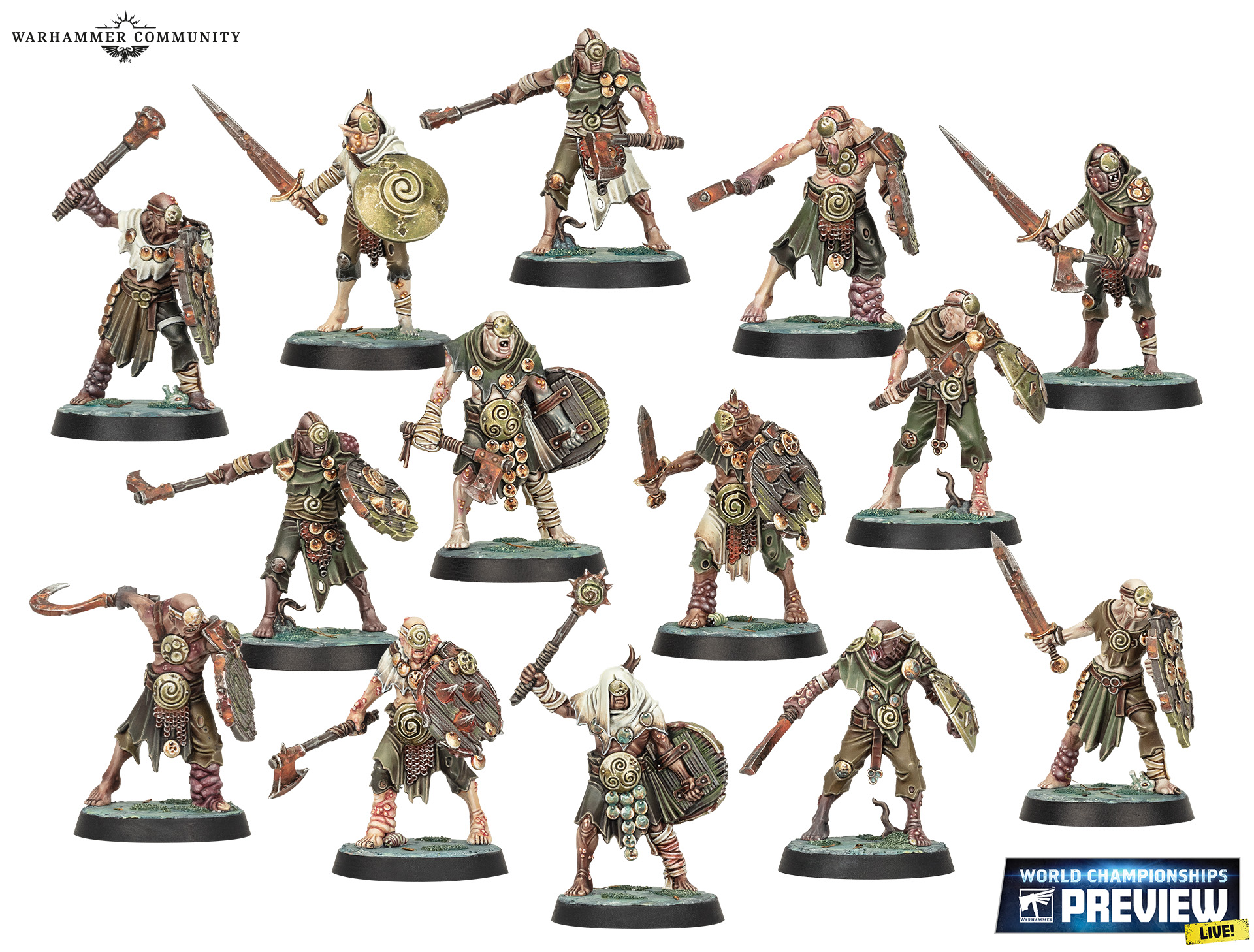
The Pox-Wretches, with their cyclopean masks and ghastly sensory hunting, are pure nightmare fuel while the Mire Kelpies and Pestigors add twisted biodiversity to this rotten ecosystem.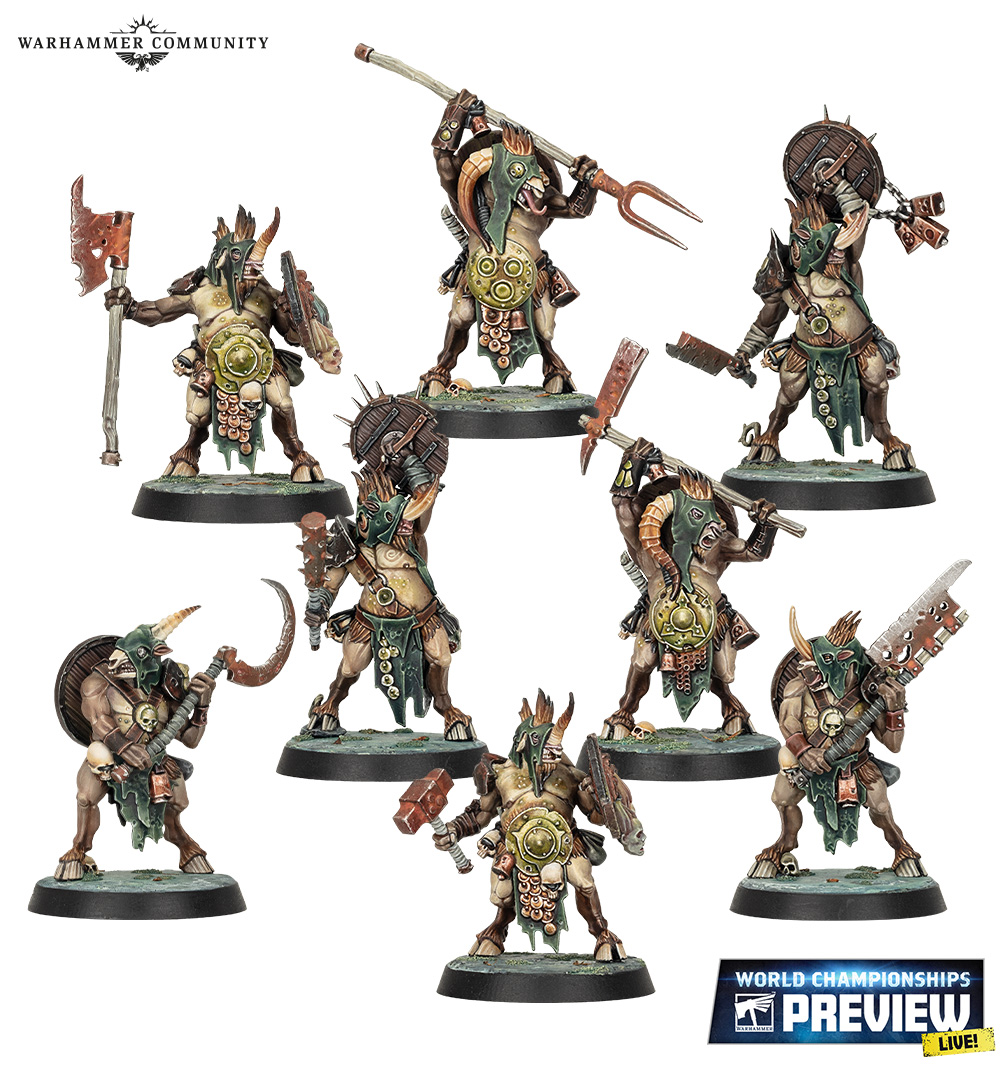
If you’ve ever thought Nurgle was played out—too many tentacles, too much green—think again. Darkwater reinvigorates the god of decay, presenting his minions not as comic grotesques, but as the true existential horror of entropy.
Design and Gameplay: Decay Never Looked So Good
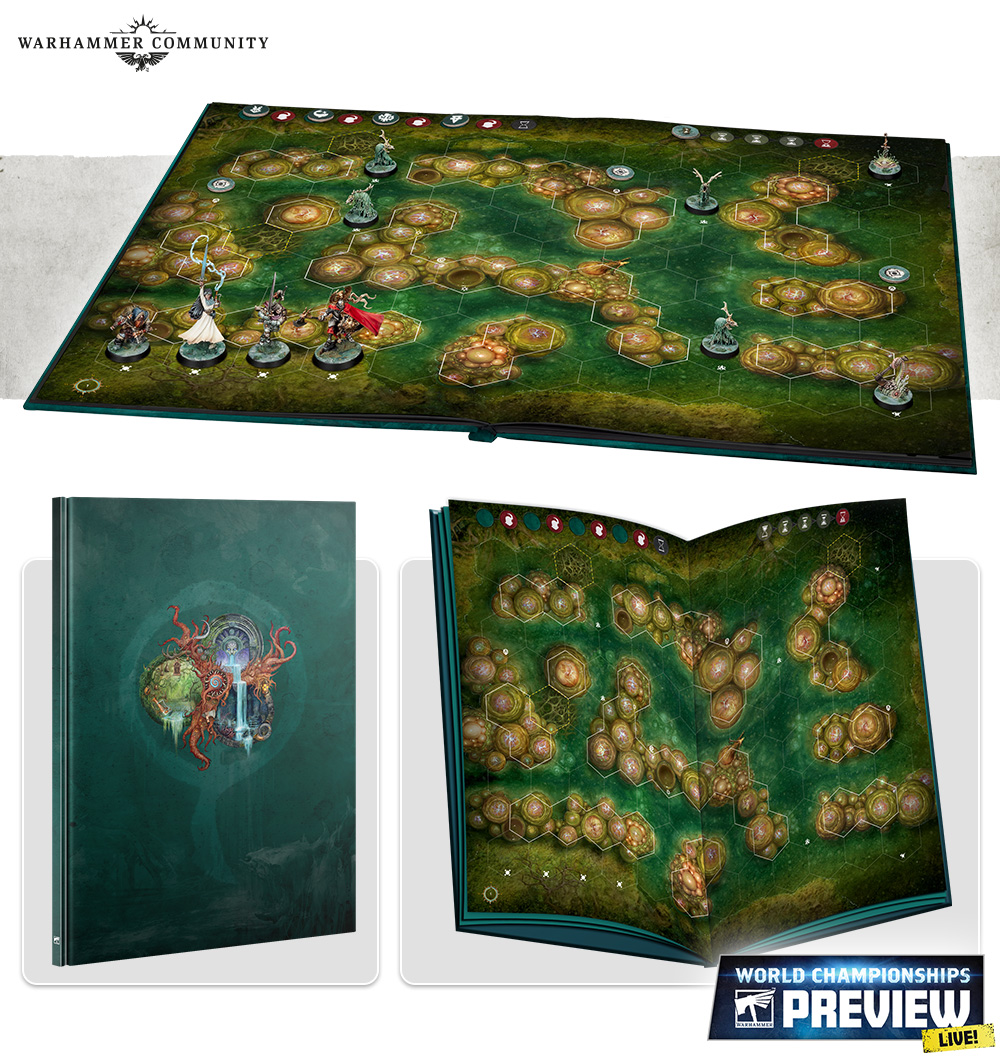
The inclusion of the lay-flat map book is a clever evolution of the dungeon-crawling format. Gone are the days of fiddling with countless tiles—each encounter is laid out in rich, illustrated spreads that breathe life into the crumbling Jade Abbey. Replayability is high, with cards and events mixing up objectives and encounters so no two delves feel the same.
Scenarios range from desperate survival missions to story-driven battles where you’re racing to halt the spread of corruption. The system seems approachable yet deep, with campaigns that unfold over 10–14 hours or can be played in quick, tight 30-minute bursts—a perfect balance for casual and dedicated adventurers alike.
Final Verdict: Worth the Wait, Worth the Secret
The fact that Darkwater managed to stay under wraps until now is honestly astonishing. In a community where leaks are almost ritual, GW’s secrecy has paid off—this is the best kind of surprise. Darkwater feels like a spiritual successor to Silver Tower and Cursed City, but with a tone and art direction all its own: lush, tragic, and gloriously diseased.
The Nurgle forces are easily the most inspired in years, bridging the gap between the grotesque and the divine in true Age of Sigmar fashion. This isn’t just “more Nurgle”—it’s a full reinvention of what his armies can be, both thematically and visually.
Verdict: 10/10 – A festering masterpiece.
The heroes shine, the maps are clever, but it’s the Plague God who truly reigns supreme. Darkwater isn’t just another dungeon crawl—it’s an infection, and you’ll love every minute of the rot.